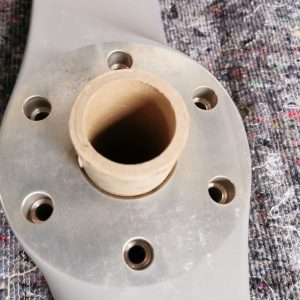
New, Never Installed combines established Sensenich manufacturing, lightweight aluminum construction, fixed-pitch operation, and potential compatibility with selected general aviation aircraft.
The shortened Sensenich 74DM6 Propeller description can improve search visibility, while the complete part number should remain available for technical review.
A Sensenich Fixed-Pitch Propeller may also be categorized as a Sensenich Aluminum Propeller or Fixed-Pitch Aluminum Propeller when the exact material and configuration are confirmed.
Whether buyers require a 74-Inch Aircraft Propeller, 60-Inch Pitch Propeller, Lycoming O-320 Propeller, or General Aviation Propeller, aircraft-specific applicability remains essential.
The Two-Blade Aircraft Propeller, Sensenich Aircraft Propeller, Replacement Aircraft Propeller, and Certified Aircraft Propeller phrases can help professional buyers locate a component for maintenance, restoration, new construction, or inventory.
Reviewing P/N 74DM6-0-60 Markings
Complete identification reduces unsuitable purchases and gives maintenance professionals the information required for further review.
The serial number should match all supplied invoices, manufacturer documents, inspection records, and release paperwork.
Separating Storage History from Serviceability
The phrase new and never installed generally means that the propeller has not been operated in flight or permanently mounted on an aircraft.
Detailed condition evidence supports responsible marketing of the Sensenich Propeller – P/N 74DM6-0-60
Sensenich Fixed-Pitch Propeller Design
The 74DM6-0-60 should be selected using applicable technical data rather than general claims about improved climb or cruise performance.
Professional verification supports responsible use of the Sensenich Fixed-Pitch Propeller.
Evaluating Blade and Hub Condition
Aluminum construction offers a durable and proven solution for many general aviation aircraft when the blades, hub, mounting surfaces, leading edges, tips, and protective finish remain within acceptable condition.
Both blade faces, backs, roots, tips, leading edges, trailing edges, and hub transitions should be examined under suitable lighting.
74-Inch Aircraft Propeller Dimensions
Propeller diameter affects ground clearance, tip speed, engine loading, airframe clearance, and aerodynamic performance.
Blade-tip shape, symmetry, and previous alteration can influence measurement accuracy.
Understanding the 60-Inch Pitch Propeller
Verified configuration helps buyers understand the intended application of the 60-Inch Pitch Propeller.
Both blades should maintain suitable pitch consistency, contour, and dimensional symmetry.
Lycoming O-320 Propeller Compatibility
A propeller approved for one O-320-powered aircraft may not be approved for another aircraft using a different engine variant, airframe, spinner, or installation configuration.
Qualified research supports responsible selection of a Lycoming O-320 Propeller.
Protecting the Matched Two-Blade Design
A Two-Blade Aircraft Propeller should be evaluated as a complete matched assembly rather than as two independent blade components.
Unexplained grinding, drilling, filing, material removal, or attached weights should receive professional review.
Bolt Pattern and Engine Flange Compatibility
A genuinely never-installed propeller should not show unexplained fretting, bolt loading, or flange-contact patterns.
Fasteners should not be selected solely by visual appearance, basic diameter, or thread size.
Leading-Edge and Blade-Surface Inspection
The leading edges should be inspected for dents, scratches, gouges, corrosion, coating damage, packaging abrasion, and transportation impact.
Protective wrapping can sometimes conceal moisture staining or abrasion caused by movement inside the packaging.
Corrosion Inspection and Storage History
Discoloration, white residue, paint bubbling, coating separation, staining, or pitting should be evaluated instead of dismissed automatically as cosmetic.
Responsible storage protects the Fixed-Pitch Aluminum Propeller.
Separating Certification from Current Condition
The Certified Aircraft Propeller description generally refers to a propeller design manufactured under applicable approved production and certification standards.
Installation eligibility depends on the exact aircraft, engine, configuration, approved data, and applicable maintenance requirements.
Propeller Traceability and Documentation
The manufacturer data website plate should remain legible, securely attached, and consistent with the physical propeller, invoice, packaging, and supplied documents.
Records should remain protected from alteration, moisture, loss, and separation from the propeller.
Evaluating a New Never-Installed Propeller
The buyer should obtain enough information for a qualified propeller specialist or aviation mechanic to review the component.
- Compare the propeller with the receiving aircraft model, serial range, Lycoming engine designation, engine flange, spinner, operating limitations, and approved installation information.
- Do not treat original packaging, clean paint, new wording, or never-installed status as proof of present serviceability.
- Report freight damage, missing documentation, identification differences, corrosion, finish defects, blade damage, or dimensional discrepancies promptly.
Aircraft Propeller Crating Requirements
Professional packaging helps preserve the never-installed condition.
Loose hardware, records, spinner components, and accessories should be wrapped, labeled, and secured separately.
Maintaining Packaging and Identification
Protective materials should prevent contamination without trapping moisture.
The unit should not be stored directly on damp concrete, exposed ground, unstable shelving, or areas vulnerable to roof leaks.
Preparing for Ground and Flight Checks
The engine flange, pilot fit, mounting surfaces, threads, bolt holes, and related components should be inspected before assembly.
Spinner components should maintain suitable alignment, attachment, and clearance without causing stress or imbalance.
After installation, technicians should verify security, propeller clearance, blade tracking, spinner alignment, hardware condition, and surrounding aircraft components before starting the engine.
Routine Sensenich Propeller Maintenance
Consistent maintenance protects the Sensenich Fixed-Pitch Propeller.
Maintenance records should identify inspection findings, measurements, corrective action, parts, dates, and personnel involved.
Replacement Propeller Ownership Costs
Original packaging can improve presentation and provenance but does not replace physical examination.
The lowest advertised price may not represent the lowest installed cost when hardware, records, or compatibility information are incomplete.
Selecting a General Aviation Replacement Propeller
New, Never Installed can become a valuable general aviation propeller.
The unit should not be judged solely through original packaging, clean factory paint, new wording, never-installed status, or purchase price.
Whether the product is described as a 74-Inch Aircraft Propeller, 60-Inch Pitch Propeller, Lycoming O-320 Propeller, or General Aviation Propeller, aircraft-specific applicability remains essential.
With responsible purchasing, dimensional verification, corrosion and damage inspection, correct hardware, tracking, and balance evaluation, the component can remain a valuable aviation asset.